

Making an authentic Caribbean chicken roti requires two primary cooking processes: making a curried chicken stew (often with potatoes) and cooking the pliable roti flatbread. Chicken Roti is a beloved Caribbean dish featuring tender, spiced curry chicken and potatoes enveloped in a soft, flaky flatbread. The flatbread originated in the Indian subcontinent and was brought to the Caribbean in the 19th century by indentured laborers, who then adapted their traditional flatbreads using local Caribbean. Where It Came From ingredients. The Migration: Following the abolition of slavery in the mid-19th century, the British brought thousands of indentured laborers from India to work on sugar plantations in the Caribbean, particularly in countries like Trinidad and Tobago, Guyana, and Suriname. Cultural Fusion: These laborers brought their culinary traditions, combining classic Indian curry spices with local Caribbean ingredients like scotch bonnet peppers, fresh thyme, and root vegetables to create an entirely new Indo-Caribbean cuisine The “Roti”: The word roti itself is an ancient Sanskrit term that literally translates to “bread The Evolution: Initially, roti referred only to the unleavened, pan-fried flatbread. In the Caribbean, cooks started stuffing this flatbread with spiced, rich curries (like chicken, goat, or vegetables) and wrapping it up. Over time, the name for the bread was extended by locals and tourists to describe the entire handheld wrap and the meal itself. Varieties: Different islands developed their own signature styles. For example, Trinidadian roti wraps are famous, while in Suriname, the word “roti” encompasses the entire meal (bread, chicken, and vegetables).
From www.VacationTripGuides.com


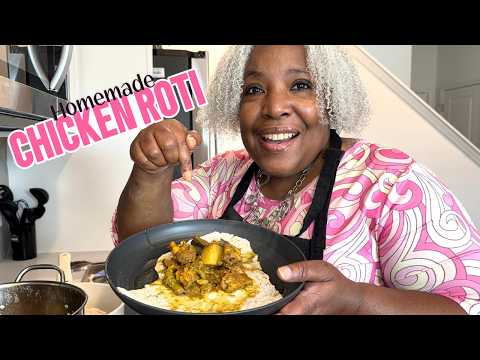
Chicken Roti Recipe: Authentic Caribbean Flatbread With Juicy Meat
Description
Making an authentic Caribbean chicken roti requires two primary cooking processes: making a curried chicken stew (often with potatoes) and cooking the pliable roti flatbread. Chicken Roti is a beloved Caribbean dish featuring tender, spiced curry chicken and potatoes enveloped in a soft, flaky flatbread. The flatbread originated in the Indian subcontinent and was brought to the Caribbean in the 19th century by indentured laborers, who then adapted their traditional flatbreads using local Caribbean. Where It Came From ingredients. The Migration: Following the abolition of slavery in the mid-19th century, the British brought thousands of indentured laborers from India to work on sugar plantations in the Caribbean, particularly in countries like Trinidad and Tobago, Guyana, and Suriname. Cultural Fusion: These laborers brought their culinary traditions, combining classic Indian curry spices with local Caribbean ingredients like scotch bonnet peppers, fresh thyme, and root vegetables to create an entirely new Indo-Caribbean cuisine The "Roti": The word roti itself is an ancient Sanskrit term that literally translates to "bread The Evolution: Initially, roti referred only to the unleavened, pan-fried flatbread. In the Caribbean, cooks started stuffing this flatbread with spiced, rich curries (like chicken, goat, or vegetables) and wrapping it up. Over time, the name for the bread was extended by locals and tourists to describe the entire handheld wrap and the meal itself. Varieties: Different islands developed their own signature styles. For example, Trinidadian roti wraps are famous, while in Suriname, the word "roti" encompasses the entire meal (bread, chicken, and vegetables).Ingredients
Ingredients

Instructions
-
Step 1 ssss
Marinate the Chicken Start by cutting the 1.5 lb chicken thighs into bite-sized pieces. I like to use boneless, skinless thighs for their tenderness. In a mixing bowl, combine the chicken with 3 cloves of minced garlic, 1 tablespoon of freshly grated ginger, 1 tablespoon of paprika, 1 teaspoon of cumin, 1 teaspoon of salt, and 0.5 teaspoon of black pepper. This combination creates an aromatic marinade that infuses the chicken with incredible flavor. -
Step 2: Prepare the Roti Dough
In a large bowl, combine 3 cups of all-purpose flour and 1 teaspoon of salt. I always recommend using good-quality flour for the best texture. Gradually add 0.75 cup of warm water, mixing with your hands until a soft dough forms. You want it to be smooth and pliable, so don’t hesitate to add a little more water if needed. Once the dough is formed, knead it on a floured surface for about 5 minutes. This step is crucial as it develops gluten, giving your roti that desired elasticity. Let it rest in a covered bowl for 20 minutes—this makes rolling easier later on. -
Step 3: Cook the Chicken Filling
Heat 0.25 cup of vegetable oil in a large skillet over medium-high heat. Once hot, add the marinated chicken pieces in a single layer. Cook them undisturbed for about 5-7 minutes, allowing them to get a nice sear. This is where you’ll see them turn golden brown. Stir occasionally until the chicken is fully cooked and no longer pink inside, which should take around 10-12 minutes. You’ll know it’s done when a meat thermometer reads 165°F. Remove from heat and let it cool slightly while you roll out the dough. -
Step 4: Roll and Cook the Roti
Divide the rested dough into equal portions—about 6-8 balls. On a floured surface, roll each ball into a thin circle, roughly 8-10 inches in diameter. The thinner you roll it, the more tender your roti will be. Heat a dry skillet over medium heat. Place one rolled-out dough circle onto the skillet and cook for about 1-2 minutes, or until small bubbles form on the surface and it starts to puff up. Flip it over and cook for another 1-2 minutes until lightly golden. -
Step 5: Assemble and Serve
To assemble, place a generous amount of the cooked chicken filling in the center of each roti. Fold the edges over to create a pocket or simply roll it up like a burrito. If desired, you can return them to the skillet for an additional minute to warm through. Serve immediately while warm. These wraps are perfect on their own or with your favorite dipping sauce. Enjoy your delicious creation that’s bursting with flavor! -
Pro Cooking Tips for Great chicken roti
Marinating the chicken is crucial for flavor. I cut 1.5 lb boneless, skinless chicken thighs into bite-sized pieces and mix them with 3 cloves of minced garlic, 1 tablespoon of freshly grated ginger, 1 tablespoon of paprika, 1 teaspoon of cumin, 1 teaspoon of salt, and 0.5 teaspoon of black pepper. Allowing it to marinate for at least 30 minutes enhances the dish significantly. -
Dough Consistency
For the roti, I recommend using 3 cups of all-purpose flour mixed with 1 teaspoon of salt. Gradually add 0.75 cup of warm water until a soft dough forms. Knead for about 5 minutes until smooth and let it rest for 20 minutes. This step is essential for elasticity! -
Cooking the Chicken
Heat 0.25 cup of vegetable oil in a skillet over medium-high heat. Once hot, add the marinated chicken in a single layer and cook undisturbed for about 5-7 minutes. Stir occasionally until the chicken is golden brown and cooked through, reaching an internal temperature of 165°F. The aroma will be irresistible! -
Rolling Technique
Divide the rested dough into 6-8 equal balls. On a floured surface, roll each ball into a thin circle, about 8-10 inches in diameter. Thinner roti will yield a more tender result. This technique ensures that your flatbread complements the juicy filling perfectly. -
Cooking Roti
Heat a dry skillet over medium heat and place one rolled-out dough circle onto it. Cook for 1-2 minutes until bubbles form, then flip and cook for another 1-2 minutes. The goal is a light golden color—don’t rush this step! It makes all the difference in texture. -
Assembly Tips
To assemble, place a generous amount of the cooked chicken filling in each roti. Fold the edges over or roll it up like a burrito. You can return them to the skillet for an extra minute to warm through before serving. This creates a delightful meal bursting with flavors
Nutrition Facts
Servings 4
- Amount Per Serving
- Calories 550kcal
- % Daily Value *
- Total Fat 30g47%
- Saturated Fat 7g35%
- Cholesterol 110mg37%
- Total Carbohydrate 45g15%
- Dietary Fiber 3g12%
- Sugars 2g
- Protein 38g76%
* Percent Daily Values are based on a 2,000 calorie diet. Your daily value may be higher or lower depending on your calorie needs.


