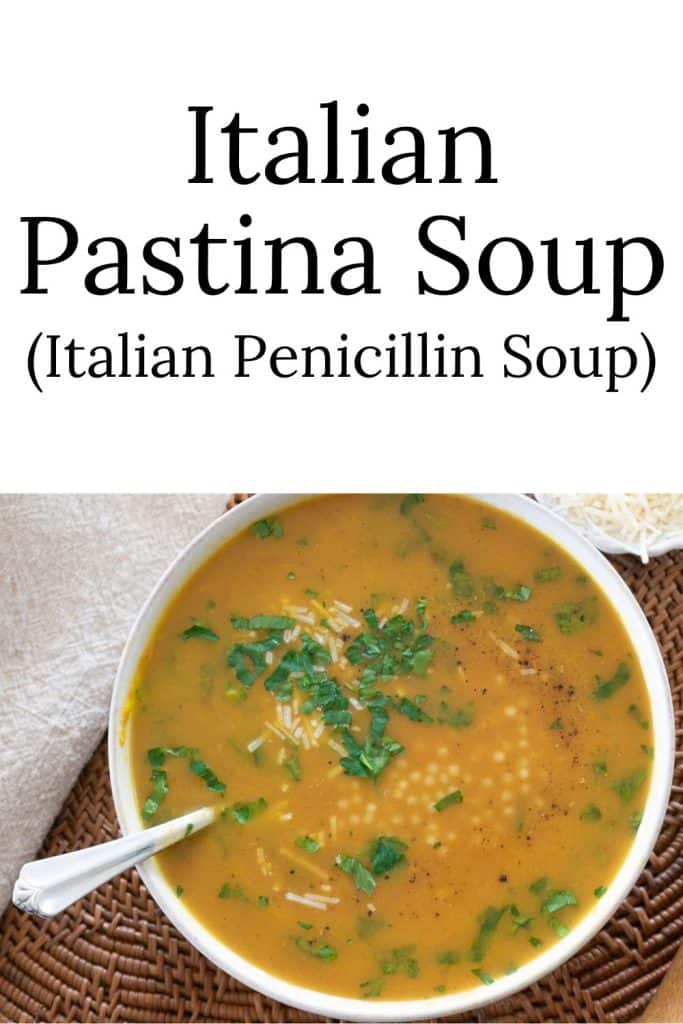
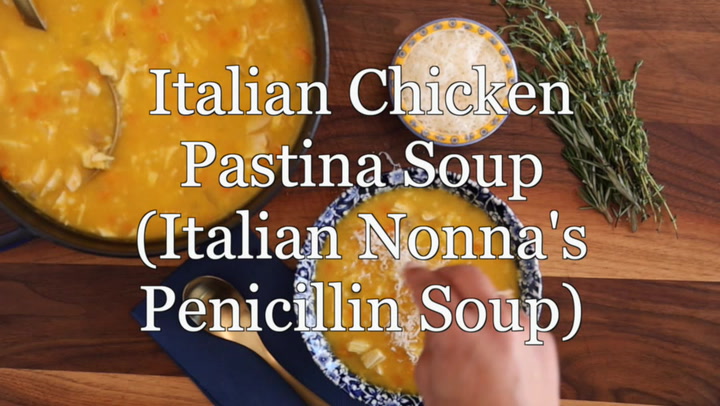
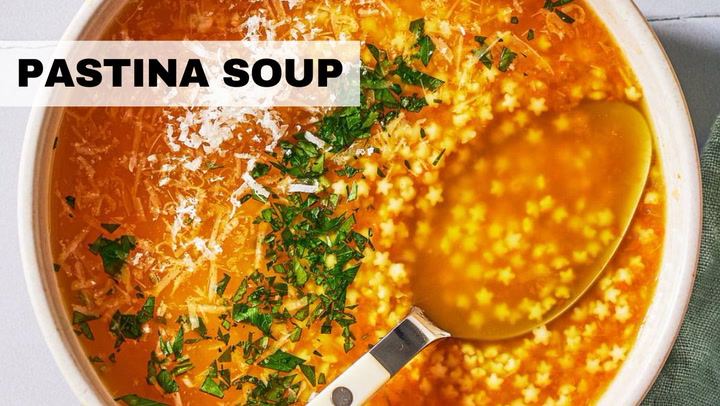
This comforting Italian penicillin soup is rich, flavorful, and packed with chicken, vegetables, pastina, and Parmesan. One taste, and this may be the only way you make chicken noodle soup from now on! Italian penicillin soup (traditionally known as pastina soup) can be incredibly helpful for recovering from a cold, the flu, and the associated fatigue. While it doesn’t contain actual antibiotics, it acts as a traditional home remedy designed to soothe symptoms and restore your energy. “Italian Penicillin” (known in Italy as pastina in brodo) originated in Italian and Italian-American households as a traditional comfort food and cold remedy. Similar to Jewish penicillin (chicken soup), it earned its nickname because it is the go-to meal served by Italian grandmothers (nonnas) to soothe sore throats, calm upset stomachs, and cure homesickness. The soup is deeply tied to Italian culinary traditions and family culture. Its origins and key components include: The Core Ingredients: It typically consists of a rich chicken or bone broth, butter, Parmesan cheese (Parmigiano-Reggiano), and pastina (which simply translates to “little pasta”). Common shapes include tiny stars (stelline) or little spheres (acini di pepe) The Healing Concept: The warm, nutrient-dense broth helps hydrate the body, while the tiny, plain pastina is very easy to digest, making it a perfect source of quick energy when you are feeling under the weather. Cultural Variations: While traditionalists serve it in a pure, simple broth, many Italian-American families add blended root vegetables for natural creaminess, or stir in a beaten egg and a squeeze of lemon juice for added protein and vitamin C. Why it works: Fights Fatigue: The base of tiny pasta (pastina) provides simple, easy-to-digest carbohydrates that give your body quick energy. Relieves Congestion & Sore Throats: Warm chicken or vegetable broth is crucial for hydration and helps thin out mucus to clear nasal passages. Reduces Inflammation: Research has long linked the natural ingredients in chicken soup—particularly garlic, onions, and carrots—to anti-inflammatory and immune-boosting properties. Easily Absorbed: The signature preparation method of boiling vegetables like carrots and celery, then blending them into the broth, delivers concentrated vitamins and minerals without taxing a weak stomach. History on Italian Penicillin Soup Often called “Italian Penicillin,” Pastina Soup is a cherished cultural remedy passed down by Italian nonnas for generations to cure colds, flu, and general ailments. While it contains no actual medicine, it is celebrated as a “cure-all” that acts just like a comforting antibiotic The Origins and MeaningName Origin: The term “pastina” literally translates to “little pasta”. It gets its nickname because generations of Italian mothers and grandmothers swear that it heals the body and soul just like a prescription of penicillin. Cultural Status: It is often the very first solid food introduced to Italian babies and the go-to comfort food for anyone feeling under the weather. From www.VacationTripGuides.com


Italian Pastina Soup
Description
This comforting Italian penicillin soup is rich, flavorful, and packed with chicken, vegetables, pastina, and Parmesan. One taste, and this may be the only way you make chicken noodle soup from now on! Italian penicillin soup (traditionally known as pastina soup) can be incredibly helpful for recovering from a cold, the flu, and the associated fatigue. While it doesn't contain actual antibiotics, it acts as a traditional home remedy designed to soothe symptoms and restore your energy. "Italian Penicillin" (known in Italy as pastina in brodo) originated in Italian and Italian-American households as a traditional comfort food and cold remedy. Similar to Jewish penicillin (chicken soup), it earned its nickname because it is the go-to meal served by Italian grandmothers (nonnas) to soothe sore throats, calm upset stomachs, and cure homesickness. The soup is deeply tied to Italian culinary traditions and family culture. Its origins and key components include: The Core Ingredients: It typically consists of a rich chicken or bone broth, butter, Parmesan cheese (Parmigiano-Reggiano), and pastina (which simply translates to "little pasta"). Common shapes include tiny stars (stelline) or little spheres (acini di pepe) The Healing Concept: The warm, nutrient-dense broth helps hydrate the body, while the tiny, plain pastina is very easy to digest, making it a perfect source of quick energy when you are feeling under the weather. Cultural Variations: While traditionalists serve it in a pure, simple broth, many Italian-American families add blended root vegetables for natural creaminess, or stir in a beaten egg and a squeeze of lemon juice for added protein and vitamin C. Why it works: Fights Fatigue: The base of tiny pasta (pastina) provides simple, easy-to-digest carbohydrates that give your body quick energy. Relieves Congestion & Sore Throats: Warm chicken or vegetable broth is crucial for hydration and helps thin out mucus to clear nasal passages. Reduces Inflammation: Research has long linked the natural ingredients in chicken soup—particularly garlic, onions, and carrots—to anti-inflammatory and immune-boosting properties. Easily Absorbed: The signature preparation method of boiling vegetables like carrots and celery, then blending them into the broth, delivers concentrated vitamins and minerals without taxing a weak stomach. History on Italian Penicillin Soup Often called "Italian Penicillin," Pastina Soup is a cherished cultural remedy passed down by Italian nonnas for generations to cure colds, flu, and general ailments. While it contains no actual medicine, it is celebrated as a "cure-all" that acts just like a comforting antibiotic The Origins and MeaningName Origin: The term "pastina" literally translates to "little pasta". It gets its nickname because generations of Italian mothers and grandmothers swear that it heals the body and soul just like a prescription of penicillin. Cultural Status: It is often the very first solid food introduced to Italian babies and the go-to comfort food for anyone feeling under the weather.Ingredients
Ingredients
Instructions
Instructions
-
Step 1
Gather all ingredients.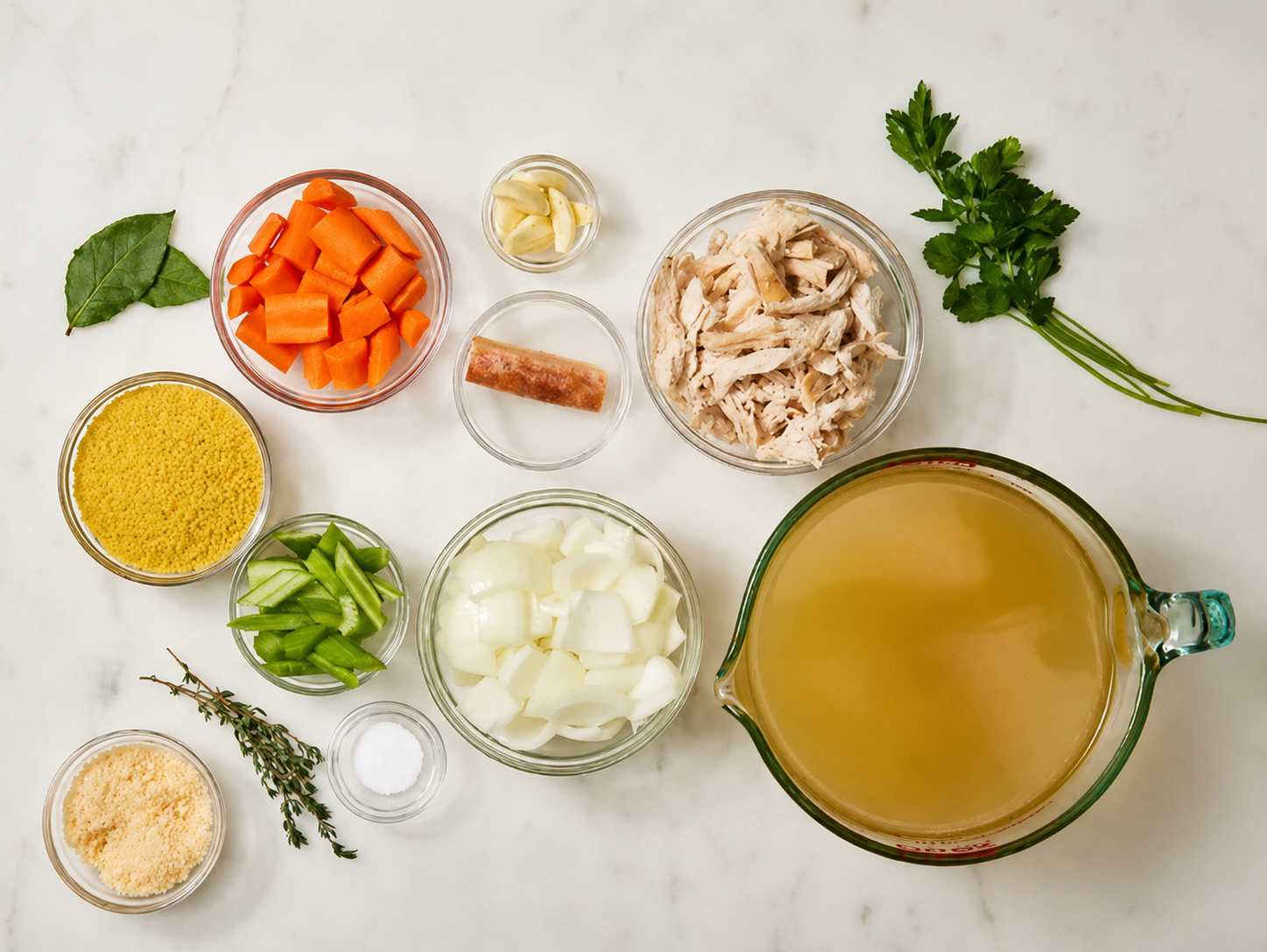
-
Step 2
Bring broth, onion, carrots, celery, garlic, and salt to a boil in a large saucepan or small Dutch oven over high. Reduce heat to medium-low, and simmer until vegetables are softened, about 10 minutes. Using a slotted spoon, transfer vegetables and 1 cup of broth to a blender.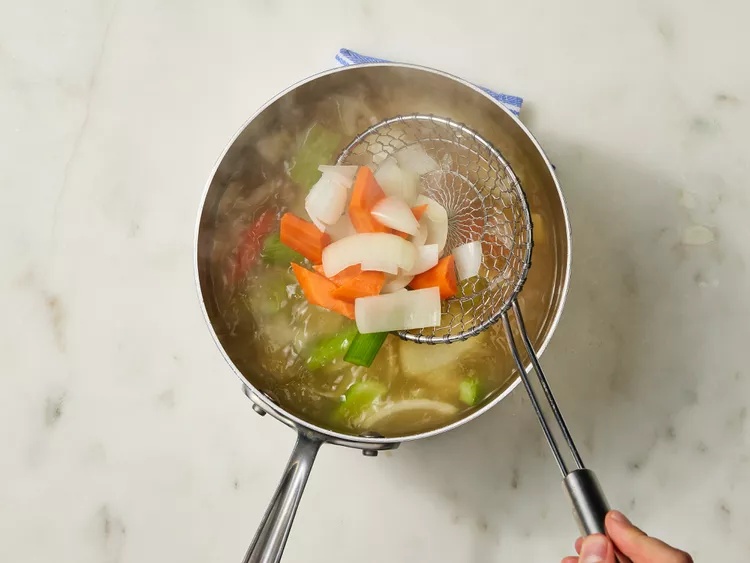
-
Step 3
Secure lid on blender, and remove center piece to allow steam to escape. Place a clean towel over opening. Process until smooth, about 30 seconds. Stir blended carrot mixture back into soup.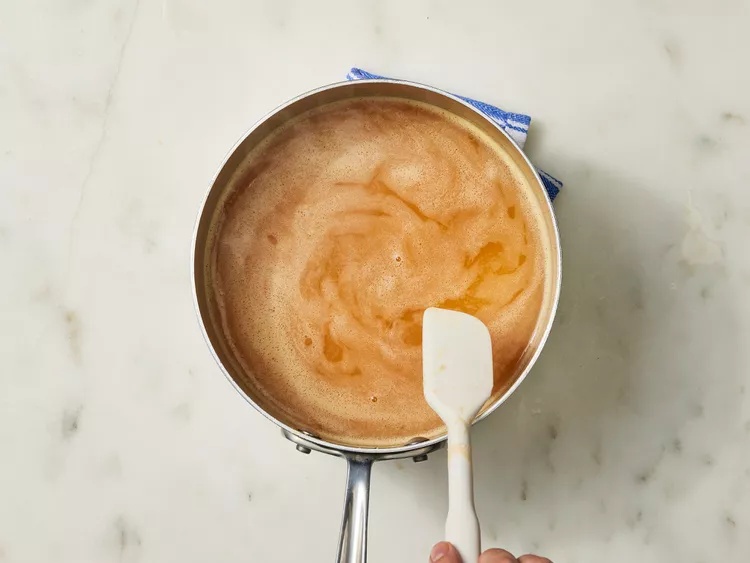
-
Step 4
Add thyme sprigs, bay leaves, and Parmigiano-Reggiano cheese rind. Bring to a boil over medium-high. Add pasta, reduce heat to medium-low, and simmer, stirring occasionally, until pasta is tender, 18 to 20 minutes, adding shredded chicken in the last 3 minutes of cooking.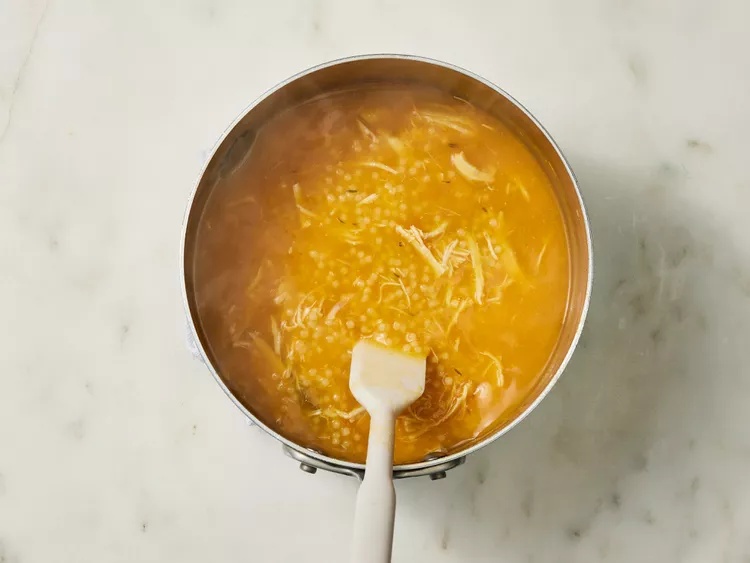
-
Step 5
Remove from heat. Remove and discard thyme sprigs, bay leaves, and Parmigiano-Reggiano cheese rind.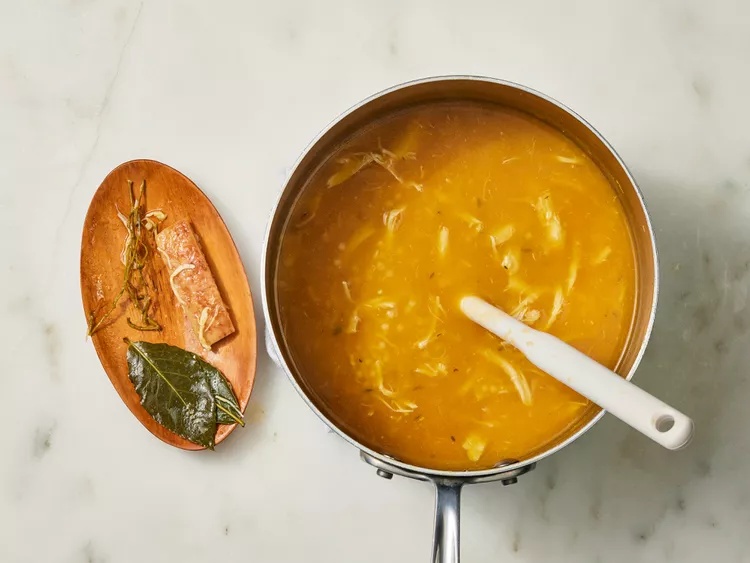
-
Step 6
Serve immediately; garnish with parsley and grated Parmigiano-Reggiano.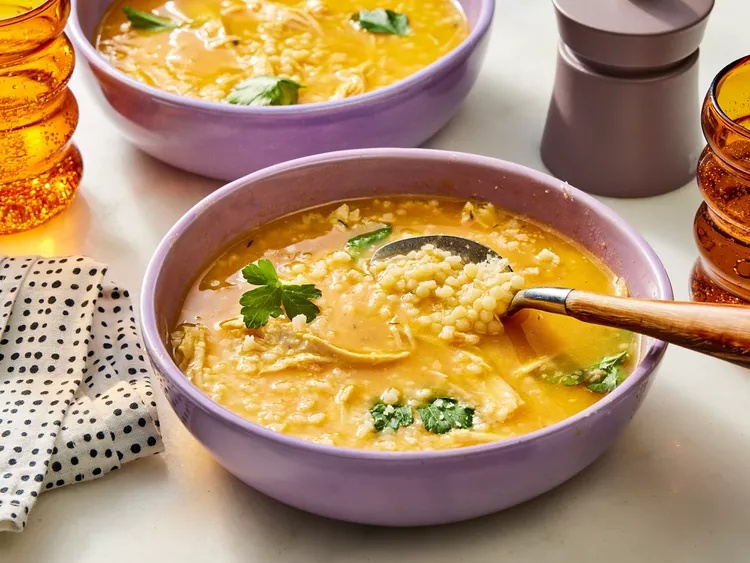
Nutrition Facts
Servings 6
- Amount Per Serving
- Calories 332kcal
- % Daily Value *
- Total Fat 13g20%
- Cholesterol 107.01mg36%
- Sodium 1913mg80%
- Potassium 601mg18%
- Total Carbohydrate 27g9%
- Dietary Fiber 3g12%
- Sugars 7g
- Protein 28.01g57%
- Vitamin C 8.99 mg
- Calcium 157 mg
- Iron 2.01 mg
* Percent Daily Values are based on a 2,000 calorie diet. Your daily value may be higher or lower depending on your calorie needs.