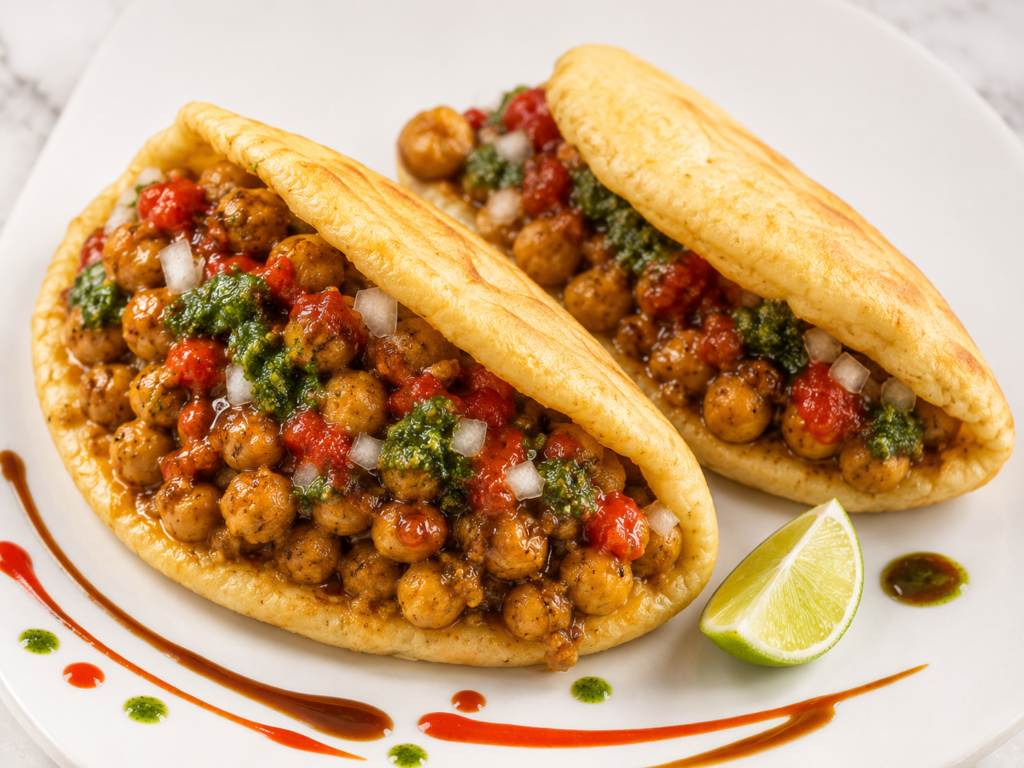
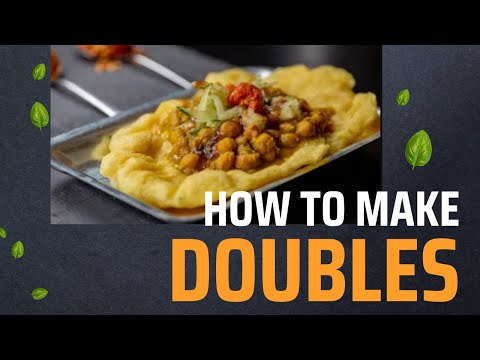
Trinidad Doubles are made by frying soft pieces of dough called bara and filling them with saucy curried chickpeas called channa. The chickpeas are cooked on the stove with curry powder, garlic, cumin, onion, and water until soft and flavorful. The bara is fried until soft, golden, and slightly puffed, then filled with the chickpeas and topped with pepper sauce and tamarind sauce.
Trinidad Doubles is one of the most famous street foods from Trinidad and Tobago. It is made with two pieces of soft fried bread called bara and filled with curried chickpeas called channa. The dish is usually topped with tamarind sauce, pepper sauce, cucumber chutney, mango chutney, or green seasoning sauce.
Doubles came from Trinidad, especially from the town of Princes Town. The dish is strongly connected to Indo-Trinidadian culture. After Indian indentured laborers came to Trinidad in the 1800s, they brought food traditions such as curry, chickpeas, roti, fried breads, and chutneys. Over time, these Indian food traditions mixed with Caribbean ingredients, flavors, and street-food culture.


Where It Came From
Many food-history accounts say doubles was created in 1936 by Emamool “Mamoodeen” Deen and his wife Raheeman Rasulan Deen in Princes Town. They first sold curried chickpeas with fried bara as an affordable food for workers and local customers.
The name “doubles” comes from the way the food is served with two pieces of bara. At first, the curried chickpeas were served with one piece of fried bread. Customers began asking for another piece of bara to cover the chickpeas, making it like a small sandwich. Because the order had a “double” amount of bara, people began calling it doubles.
Doubles became popular because it was quick, filling, flavorful, and affordable. It was often eaten for breakfast, especially by workers who wanted something hot and satisfying before starting the day. Today, doubles is eaten for breakfast, lunch, late-night food, and street snacks.
The dish is a symbol of Trinidad’s rich food history. It shows how Indian cooking traditions became part of Caribbean culture. The curry, chickpeas, bara, and chutneys connect the dish to Indian roots, while the pepper sauces, street-vendor style, and local flavors make it truly Trinidadian.
Doubles is now one of Trinidad and Tobago’s best-known foods. It is sold by street vendors, food stalls, restaurants, and Caribbean food shops around the world. Many people from Trinidad and Tobago see doubles as comfort food because it reminds them of home, family, markets, and everyday island life.
Trinidad Doubles is a famous street food from Trinidad and Tobago. It was created in Princes Town and grew from Indo-Trinidadian food traditions brought by descendants of Indian indentured laborers. The dish is made with curried chickpeas, called channa, served between two pieces of soft fried bara. The name “doubles” came from customers asking for a double portion of bara to hold the chickpeas. Today, doubles is a beloved symbol of Trinidad’s street-food culture and Indo-Caribbean heritage.
Ingredients Information
Flour is used to make the soft bara bread.
Turmeric gives the dough its golden color and mild earthy flavor.
Yeast or baking powder helps make the bara soft and fluffy.
Salt adds flavor to the dough.
Warm water helps bring the dough together.
Chickpeas, also called channa, are the main filling.
Curry powder gives the chickpeas a warm Caribbean flavor.
Garlic adds savory flavor.
Cumin gives the filling a rich, earthy taste.
Onion adds sweetness and flavor to the chickpeas.
Pepper sauce adds heat.
Tamarind sauce adds sweet and tangy flavor.


Trinidad Doubles
Description
Trinidad Doubles are made by frying soft pieces of dough called bara and filling them with saucy curried chickpeas called channa. The chickpeas are cooked on the stove with curry powder, garlic, cumin, onion, and water until soft and flavorful. The bara is fried until soft, golden, and slightly puffed, then filled with the chickpeas and topped with pepper sauce and tamarind sauce. Trinidad Doubles is one of the most famous street foods from Trinidad and Tobago. It is made with two pieces of soft fried bread called bara and filled with curried chickpeas called channa. The dish is usually topped with tamarind sauce, pepper sauce, cucumber chutney, mango chutney, or green seasoning sauce. Doubles came from Trinidad, especially from the town of Princes Town. The dish is strongly connected to Indo-Trinidadian culture. After Indian indentured laborers came to Trinidad in the 1800s, they brought food traditions such as curry, chickpeas, roti, fried breads, and chutneys. Over time, these Indian food traditions mixed with Caribbean ingredients, flavors, and street-food culture. Where It Came From Many food-history accounts say doubles was created in 1936 by Emamool “Mamoodeen” Deen and his wife Raheeman Rasulan Deen in Princes Town. They first sold curried chickpeas with fried bara as an affordable food for workers and local customers. The name “doubles” comes from the way the food is served with two pieces of bara. At first, the curried chickpeas were served with one piece of fried bread. Customers began asking for another piece of bara to cover the chickpeas, making it like a small sandwich. Because the order had a “double” amount of bara, people began calling it doubles. Doubles became popular because it was quick, filling, flavorful, and affordable. It was often eaten for breakfast, especially by workers who wanted something hot and satisfying before starting the day. Today, doubles is eaten for breakfast, lunch, late-night food, and street snacks. The dish is a symbol of Trinidad’s rich food history. It shows how Indian cooking traditions became part of Caribbean culture. The curry, chickpeas, bara, and chutneys connect the dish to Indian roots, while the pepper sauces, street-vendor style, and local flavors make it truly Trinidadian. Doubles is now one of Trinidad and Tobago’s best-known foods. It is sold by street vendors, food stalls, restaurants, and Caribbean food shops around the world. Many people from Trinidad and Tobago see doubles as comfort food because it reminds them of home, family, markets, and everyday island life. Trinidad Doubles is a famous street food from Trinidad and Tobago. It was created in Princes Town and grew from Indo-Trinidadian food traditions brought by descendants of Indian indentured laborers. The dish is made with curried chickpeas, called channa, served between two pieces of soft fried bara. The name “doubles” came from customers asking for a double portion of bara to hold the chickpeas. Today, doubles is a beloved symbol of Trinidad’s street-food culture and Indo-Caribbean heritage. Ingredients Information Flour is used to make the soft bara bread. Turmeric gives the dough its golden color and mild earthy flavor. Yeast or baking powder helps make the bara soft and fluffy. Salt adds flavor to the dough. Warm water helps bring the dough together. Chickpeas, also called channa, are the main filling. Curry powder gives the chickpeas a warm Caribbean flavor. Garlic adds savory flavor. Cumin gives the filling a rich, earthy taste. Onion adds sweetness and flavor to the chickpeas. Pepper sauce adds heat. Tamarind sauce adds sweet and tangy flavor.Ingredients
Ingredients for Trinidad Doubles
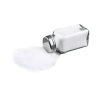
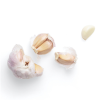
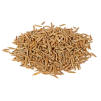
Instructions
Instructions for Trinidad Doubles
-
Step 1
Make a soft dough with flour, turmeric, yeast or baking powder, salt, and warm water. Cover the dough and let it rest until soft. -
Step 2
Cook the chickpeas with curry powder, garlic, cumin, chopped onion, and a little water until the chickpeas are soft and saucy. -
Step 3
Divide the dough into small pieces. Flatten each piece and fry until soft, golden, and puffed. These fried breads are called bara. -
Step 4
Place curried chickpeas on one piece of bara. Add pepper sauce and tamarind sauce, then cover with a second piece of bara to make Trinidad doubles.
Nutrition Facts
Servings 4
- Amount Per Serving
- Calories 430kcal
- % Daily Value *
- Total Fat 13g20%
- Saturated Fat 2g10%
- Sodium 690mg29%
- Potassium 530mg16%
- Total Carbohydrate 65g22%
- Dietary Fiber 10g40%
- Sugars 5g
- Protein 14g29%
- Vitamin A 50 IU
- Vitamin C 12 mg
- Calcium 85 mg
- Iron 4 mg
- Vitamin E 1 IU
- Vitamin B6 0.3 mg
- Zinc 2 mg
* Percent Daily Values are based on a 2,000 calorie diet. Your daily value may be higher or lower depending on your calorie needs.